Faces Behind the Places: The People Who Make Comal County Feel Like Comal County
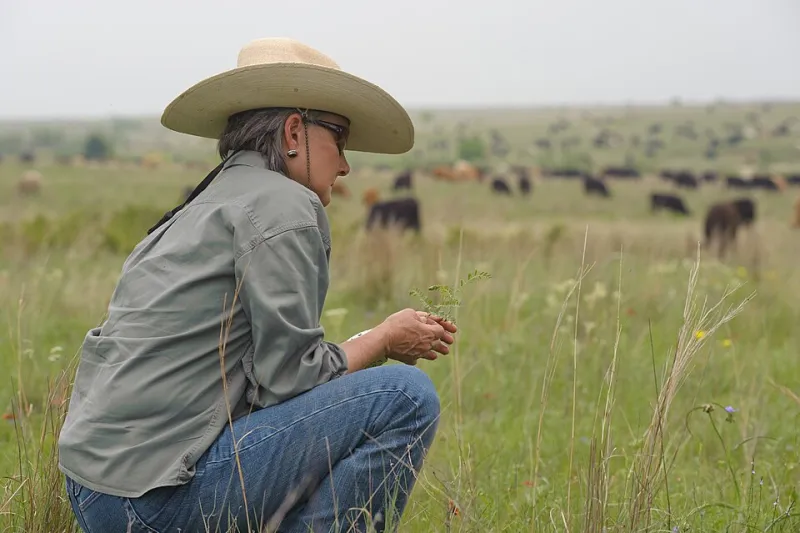
Photo: USDA NRCS Texas, Public domain, via Wikimedia Commons
You can read every visitor guide and still not understand Comal County. That's because the real story here isn't the rivers or the dance halls — it's the people who've shown up for them, year after year, often without anyone asking. We wanted to meet a few of them. Here's what we found.
The Rancher Who Measures Time in Generations
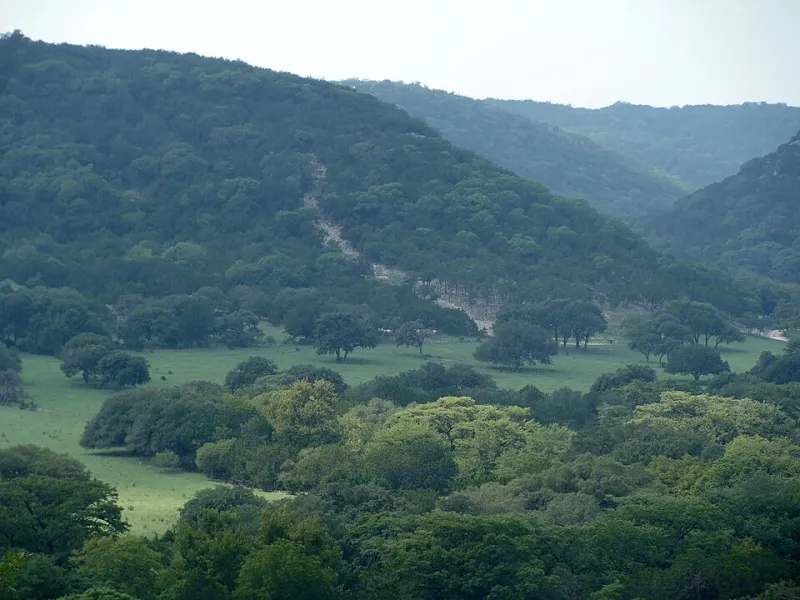
Drive the back roads between New Braunfels and Garden Ridge and you'll pass cattle that have grazed the same limestone hills since before anyone alive can remember. One of those pastures belongs to a family that's been working this land for four generations — the kind of operation where the brand on the gate matches the name on the century-old family cemetery plot just over the fence line.
The current caretaker of the place will tell you, without a hint of sentimentality, that ranching here has never been about getting rich. It's about staying. His great-grandfather ran sheep where he now runs cattle. His father survived the drought years of the 1950s by selling off half the herd and taking work in town. When you ask what's kept the family on this ground through all of it, he shrugs and gestures at the horizon: "Somebody's got to be here to see it through."
He's watched Comal County change around him — subdivisions creeping closer, traffic thickening on the farm-to-market roads — and his take is refreshingly unsentimental. Growth is growth, he says. The land was here before all of it, and with any luck, it'll be here after. He just plans to keep it productive in the meantime.
Wurstfest Royalty, Decades Deep
Every October, when the gates open on the Wurstfest grounds along the Comal, thousands of visitors see the polka bands, the sausage on a stick, the river of festive green. What they don't always see is the volunteer machinery underneath it all — and few machines run longer than the one operated by a woman who's been part of the festival for more than four decades.
She started as a young volunteer pouring beer in one of the halls, back when the whole thing felt like a big family reunion with accordions. Over the years she worked her way through nearly every job on the grounds, eventually earning a place among the festival's honored volunteers — the folks who get recognized on opening weekend and then spend the rest of the ten days making sure everything runs anyway.
Ask her favorite part and she doesn't hesitate: the volunteers themselves. Generations of families have served on the same committees. Kids who grew up sweeping sawdust now run the gates. "It's not really about the sausage," she laughs. "It's about the fact that all these people keep saying yes." In a county that sometimes feels like it's filling up with newcomers by the week, that continuity is its own kind of heritage.
The Duck Whisperer of Landa Park
Spend a morning at Landa Park and you'll notice something odd: the ducks seem to know certain people. Among the most devoted is a retired New Braunfels resident who's made the park's waterfowl population a personal project for longer than most visitors have been alive.
He's there most days with a bag of cracked corn — never bread, he'll tell you, bread is terrible for them — and a running commentary on which birds are new, which pairs are nesting, and which drake is causing trouble down by the spring-fed pool. Regulars greet him by name. Tourists assume he works for the parks department. He doesn't. He just kept showing up.
His role has grown into something unofficial but real: he keeps an eye out for injured birds, alerts the city when something's off, and gently educates the well-meaning folks who show up with sandwich crusts. "Somebody's got to look out for them," he says. "They can't vote." It's a small stewardship, but it's exactly the kind that makes a park feel like a place rather than just a green square on a map.
Why These Portraits Matter
There's a theme running through all three of these lives, and it isn't nostalgia. It's presence. None of these folks set out to become local institutions. They simply kept doing the work — on the land, at the festival, at the park — until the work and the place became part of who they are.
That's the thing a relocation checklist can't capture and a weekend itinerary won't show you. Comal County's character lives in accumulated decades of showing up. The ranch, the festival, and the ducks will all still be here long after the rest of us have come and gone. It's worth knowing who's watching over them.