Coffee at 5:45, Checkout at 11: The Real Math of Running a B&B on the Comal
Photo: Larry D. Moore, CC BY 4.0, via Wikimedia Commons
The first thing Dena Herrera does every morning is listen. Not to the coffee maker, though that's running too. She's listening for the screen door — whether it opens gently or slams, whether the footsteps on the porch belong to a guest heading out for an early float or someone who couldn't sleep. After eleven years running a four-room inn on a quiet stretch of land outside New Braunfels, she says she can read an entire weekend in the sound of a screen door.
The Job Nobody Photographs
The brochures show the porch swing and the pecan trees. They don't show the 5:45 a.m. start, the first of three loads of linens, or the biscuit dough that has to be in the oven by 7:30 because a guest mentioned — casually, at check-in — that they'd need to leave by 8 for a Canyon Lake fishing charter.
"People think hospitality is a personality," Dena says, pulling a tray of bacon that somehow has to be crisp and soft at once because the couple in Room 2 disagree. "It's actually logistics with a smile on top."
Her day, on a fully booked Saturday in peak season, looks like this: breakfast service until 9:30, rooms turned over by 11, a two-hour window for deep cleaning and maintenance she's been putting off, check-in from 3 to 6, then the evening reset — fresh cookies, refill the ice bucket, check the porch lights. Somewhere in there, she answers the phone call from a guest asking if the inn can accommodate "a small birthday gathering" for fourteen people. It cannot. She explains this three times.
Where the Money Actually Goes
Here's the math that surprises every wide-eyed dreamer who emails Dena asking how she got started. A well-run small inn in Comal County might gross $180,000 to $250,000 a year. Sounds great until you subtract the mortgage on a historic property, insurance that's climbed nearly every year, property taxes on land that keeps appreciating, a part-time housekeeper, food, utilities, and the never-ending repair cycle that comes with a house older than the county's tourism industry.
What's left — the actual take-home — often lands between what a schoolteacher and a nurse make. And unlike them, Dena works weekends, holidays, and every Wurstfest.
So why do it? "I met my best friends in this kitchen," she says. "Guests who came back every October for a decade. A couple who got engaged on that porch and invited me to the wedding. You can't put that on a spreadsheet, but you also can't fake it."
The Odd Requests File
Every innkeeper has them. Dena's include: a guest who asked her to hide an engagement ring inside a pecan pie (it worked, barely), a man who wanted to know if the resident barn cat could be removed from the property because he "didn't trust its energy," and a family reunion that requested a specific brand of gluten-free pancake mix she had to source from San Antonio.
The lesson, she says, is that guests don't remember the thread count. They remember whether you said yes.
Why More Locals Are Doing It
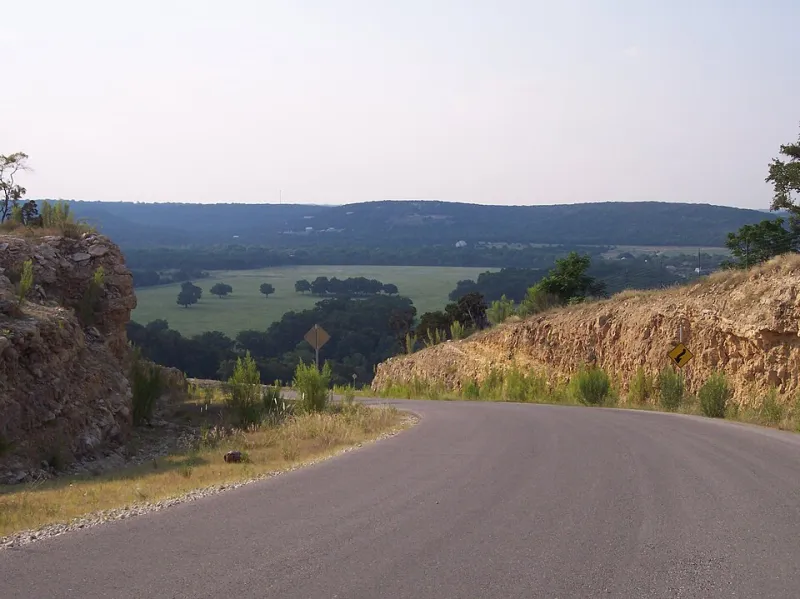
Drive any back road between Gruene and Canyon Lake and you'll spot them: restored farmhouses with fresh signage, cottage clusters marketed as "getaways," ranch houses on an acre of bluebonnets taking weekend bookings. The remote work wave that reshaped the county's housing market also created a customer base — urban Texans who want a Hill Country weekend that feels personal, not corporate.
For owners, it's often a retirement plan or a way to keep a family homestead without selling it off. For a few, it's a genuine second income. For almost all of them, it's harder than the HGTV version.
Dena's advice for anyone eyeing that historic place with the wraparound porch: book a stay at three working inns first, ask the owners honest questions, and count the washer loads.
"If you still want it after that," she laughs, "the screen door's waiting."