"Turn Around, Don't Drown" Isn't a Suggestion: A Pre-Season Talk With Comal County's Rescue Crews
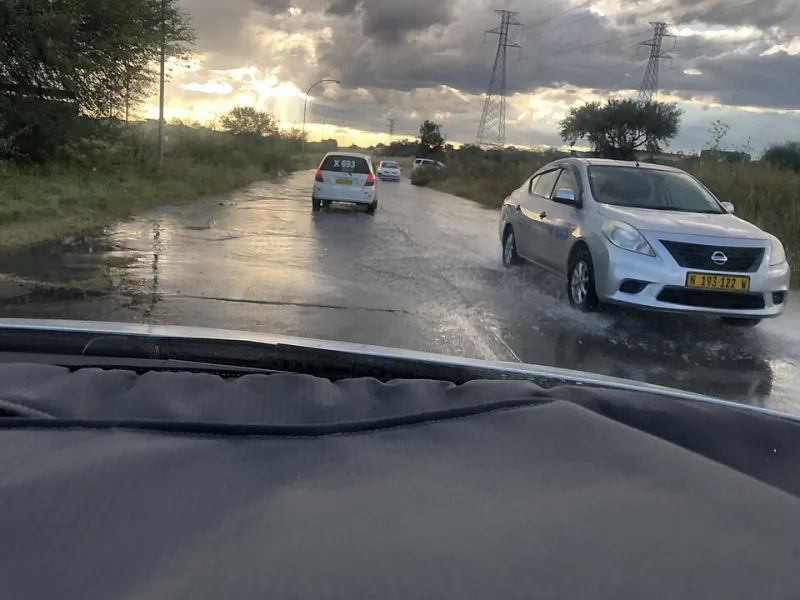
Photo: Martin Hipangwa, CC BY-SA 4.0, via Wikimedia Commons
Every first responder in Comal County has a version of the same story. It's raining hard, a barricaded low-water crossing is between a driver and wherever they're going, and the driver goes around the barricade anyway. Sometimes it ends with a tow truck. Sometimes it ends with a swift-water rescue. Sometimes it ends worse.
"The water doesn't look that deep," is how one firefighter puts it. "That's the whole problem. It never does."
With storm season approaching, we asked the county's emergency crews what they wish every resident — especially the newcomers — understood before May arrives.
Water Moves Faster Than Your Instincts
Hill Country terrain is beautiful and, hydrologically speaking, kind of a slingshot. Thin soils, exposed rock, and steep slopes mean rainfall doesn't soak in — it runs. A storm that's falling out near Comfort can have the Guadalupe and Comal rivers rising in Comal County hours later, in the dark, with little warning at street level.
The numbers crews repeat:
- Six inches of moving water can knock an adult off their feet.
- Twelve inches can float most passenger vehicles.
- Eighteen inches will take a truck or SUV.
That's why crossing a flooded low-water crossing is illegal where barricades are posted, not just unwise. Turn around. Don't drown isn't a slogan someone made up for a billboard. It's the distilled summary of a lot of rescues that didn't have to happen.
Know Your Zone Before You Need It
Here's one that surprises long-time residents too: most people in Comal County can't say whether they live in a mapped flood zone or an evacuation area. If you're new to the county, check your address against FEMA flood maps and your county emergency management resources before the season starts — not while it's raining.
If you live on or near a river, a creek, or a low-lying road, assume you're in a flash flood path until you've verified otherwise. Know your route to higher ground and know it in the dark, because flash floods don't keep business hours.
The Pre-Season Checklist
Run through this before the first real storm of the year:
- Sign up for local emergency alerts. County and city notification systems exist and they work — if you're actually enrolled.
- Charge devices and keep a weather radio handy. Cell coverage can fail exactly when you need it, especially out toward the lake and western county.
- Know your low-water crossings. Make a mental map of every one on your daily routes and identify alternates you can drive in high water.
- Check your insurance. Flood damage isn't covered by standard homeowner policies, and there's a waiting period before new policies take effect. Waiting until a storm is in the Gulf is waiting too long.
- Have a go-plan for pets and livestock. Trailers, carriers, and a place to take them. Large animals are the hardest evacuations and the most often improvised.
- Trim trees and secure loose items. Hail and straight-line winds are the county's other spring specialty. Patio furniture becomes a projectile at 70 mph.
When the Sirens Go
If water is rising, act on information, not on what the creek looked like yesterday. Move vehicles to high ground early. Stay off flooded roads entirely — remember that responders may not be able to reach you, which turns your bad decision into someone else's emergency.
And if you see a barricade, take it personally. It's there because somebody, somewhere on that exact stretch of road, learned the hard way.
The crews who work these storms will tell you the best rescue is the one that never gets dispatched. A little preparation in April buys a lot of peace of mind in May. Do the checklist now — and when the sky turns green and the creek starts talking, you'll be the one who already knows what to do.