Two Lanes and a Yellow Line: The Comal County Roads Worth Driving Before They're Four
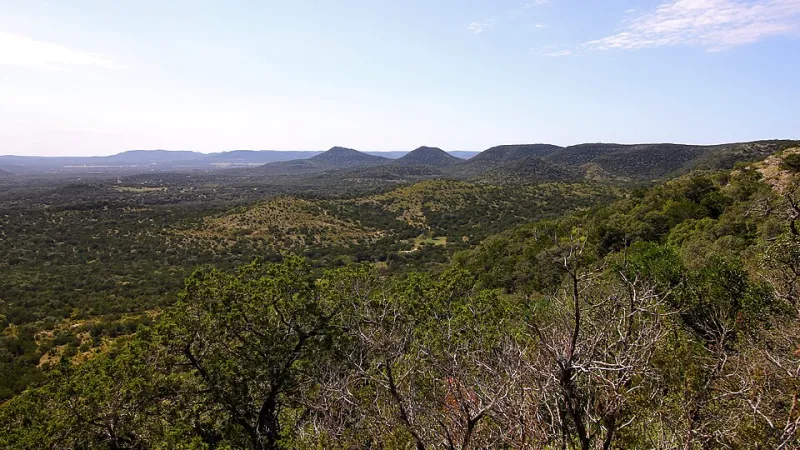
Photo: Larry D. Moore, CC BY 4.0, via Wikimedia Commons
There's a moment on FM 306, somewhere past the last gas station before the lake, when the Hill Country opens up like a hand. Rolling hills in every direction, a couple of longhorns pretending they own the place, and nothing ahead of you but a faded center stripe and whatever's around the next curve. If you moved here in the last five years, chances are you've never seen it. Most folks take the highway. The back roads don't advertise.
But they should — soon, before the widening crews do.
The Big Two: FM 306 and FM 2673
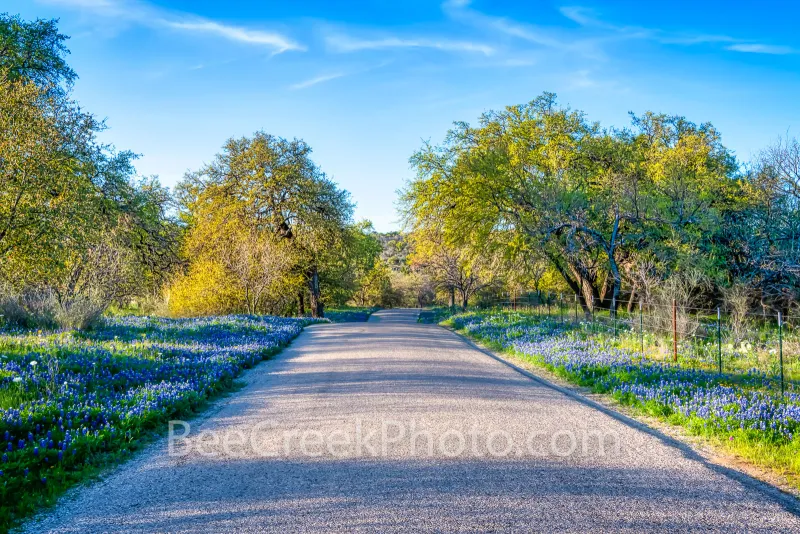
Start with FM 306, the workhorse. It runs from I-35 out in Comal County toward Canyon Lake, and the stretch between Highway 281 and the lake is the good stuff. Ranch gates with names painted on tin roofs. Live oak canopies that meet over the road in places. A few spots where the shoulder drops off just enough to make you slow down and pay attention, which is sort of the point.
FM 2673, better known around Sattler as the road everyone grumbles about in summer, is the other heavyweight. It's the main artery to Canyon Lake's south shore, and it's exactly where growth pressure is showing first. TxDOT has studied widening segments of it for years, and anyone who's sat in the summer tube-traffic crawl understands why. But a four-lane 2673 is a different road. The pull-offs where wildflowers crowd the fence lines in April? The little produce stand that's been there since before the lake had a marina? Those don't always survive a right-of-way expansion.
The Ranch Roads Nobody Puts on a Map
The real treasures are the Farm-to-Market spurs and county roads that branch off the main routes. Roads like FM 2673's quieter cousins out toward Fischer and the Devil's Backbone area — where the pavement narrows, the curves tighten, and every third driveway is a low-water crossing or a cattle guard.
A few things worth knowing before you go:
- Watch for gravel on curves. Ranch traffic drags it onto the pavement, and it'll surprise you on a downhill bend.
- Slow down at ridges. The crest of a hill out here often hides a tractor, a school bus stop, or a herd of goats with zero interest in your schedule.
- Respect the gates. That gorgeous fence line with the bluebonnets? It's somebody's front yard. The wildflower pull-offs are on the public shoulder, not the private pasture.
Spring is the obvious time — the roadside blooms between March and early May are the county's best free show — but October might be the insider's pick. The light gets golden, the traffic disappears, and the oaks hold their color longer than you'd expect.
What's Changing, and What's Worth Recording
Here's the part that turned this from a pleasure drive into something more urgent. Growth in Comal County isn't a forecast anymore; it's a schedule. The corridors around Canyon Lake and the eastern edge of the county are on the planning maps for expansion, and two-lane roads with grass shoulders become curbed-and-guttered arterials faster than anyone expects.
Nobody's saying improvement isn't needed. Ask anyone who's driven 2673 on a July Saturday. But there's a difference between a road and a corridor, and once the trees come down to widen the right-of-way, the vista that made you move here is a line item in an engineering report.
So consider this a field record. Drive FM 306 at sunset with the windows down. Take the long way through the ranch roads west of the lake. Photograph the gates, the crossings, the hills stacked up against the sky. Not because it's going away tomorrow — but because around here, tomorrow comes quicker than it used to.
And when you go, do what the locals do: fill the tank before you leave town, watch the sky for weather, and don't be in a hurry. The whole point of a farm-to-market road is that it was never built for speed. It was built to get the harvest to town. The scenery was just a bonus we inherited.