Hill Country Home, Big City Paycheck: What the Comal-to-City Commute Really Costs
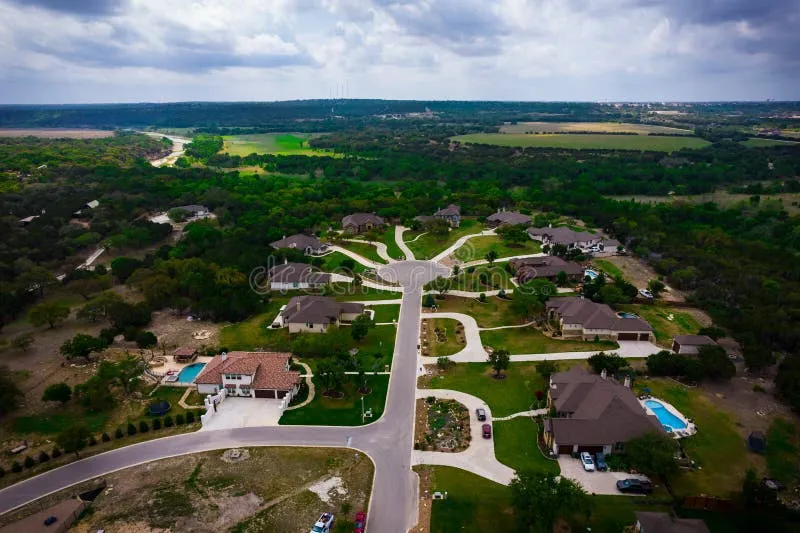
Photo: suburban Texas hill country house highway commute aerial, via thumbs.dreamstime.com
The house always sells itself. A four-bedroom in Bulverde with oak trees older than the state highway system, or a new build in New Braunfels walking distance to the Comal River — for the price of a studio near downtown Austin, it feels like a cheat code.
Then somebody mentions the commute, and the room goes quiet.
If you're weighing a move to Comal County while keeping a job in San Antonio or Austin, here's what the drive actually looks like from the people who do it every week.
The Raw Numbers, No Sugarcoating
Comal County sits in a genuinely lucky spot geographically — but "lucky" depends entirely on which direction you're headed.
To San Antonio: From New Braunfels, expect 35–50 minutes via I-35 South, depending on whether you leave before 6:30 a.m. or during the thick of rush hour. From Canyon Lake or Bulverde, add 10–20 minutes just to reach the highway. Many commuters swear by I-10 South to Loop 1604 instead, which can dodge the worst of I-35's endless construction.
To Austin: This is the harder sell. New Braunfels to downtown Austin runs 45 minutes on a good day and stretches past 90 when I-35 does what I-35 does. The toll road (SH 130) is faster and calmer, but a daily round trip on 130 will run you roughly $8–12 in tolls — call it $2,000+ a year if you never skip the tolls.
The unofficial rule locals repeat: if you're commuting to San Antonio, you'll be fine. If you're commuting to Austin daily, think long and hard.
The Toll Road Trade-Off
SH 130 deserves its own conversation. It's smooth, rarely congested, and the speed limit is a liberating 85 mph on some stretches. It also costs money every single day.
For hybrid workers who only drive in two or three days a week, the tolls are a rounding error — a small price for predictable arrival times. For five-day-a-week commuters, that's a car payment you're burning on asphalt, and it should factor into your budget the same way property taxes do.
Park-and-Ride and the Bus Question
Comal County itself has limited public transit, but you're not stranded. Park-and-ride lots along the I-35 corridor connect to San Antonio's VIA service in spots, and Capital Metro's commuter options from the north reach some Austin-bound workers. The honest truth, though: most Comal commuters drive. The schedules and routes simply don't line up for the majority of suburban-to-downtown trips, and rideshare from the county into either city gets expensive fast.
If going car-free matters to you, this is the part of the relocation math that will disappoint you.
What the Commuters Actually Say
We asked around, and the verdicts split into three camps.
The converts: Hybrid workers are the happiest people in the county, full stop. "Two days in the San Antonio office, three days with my laptop on the back porch," one Bulverde resident told us. "I'd never trade it. My old commute inside the loop was 45 minutes anyway."
The grinders: Full-time Austin commuters admit it wears on them. The ones who survive it have systems — leaving at 5:30 a.m., audiobooks, carpooling with neighbors, or shifting hours to dodge peak traffic. "The drive isn't the problem," one New Braunfels dad said. "The drive at 7:30 a.m. is the problem."
The recalibrators: Plenty of folks moved out, commuted for a year, then changed jobs to something remote or local. Comal County's own job market — healthcare, tourism, trades, and a growing small-business scene — is deeper than people expect.
Before You Sign the Mortgage
Run the commute as a dress rehearsal. On a random Tuesday, drive your actual route at your actual departure time, both directions. Add up tolls for a month. Check whether your employer offers hybrid flexibility — because in 2025, that single policy detail matters more than square footage.
If the numbers work, you get something rare: a Hill Country lifestyle, room for a garden and a grill, and a paycheck from the big city. If they don't, at least you found out before the moving truck showed up.